6 hr
Bora Bora Lagoon Safari with Motu Lunch
- Expert local guide
- Small group
- Skip-the-line access
- Free cancellation
Bora Bora Snorkeling with Sharks — Lagoon Safaris & Marine Encounters
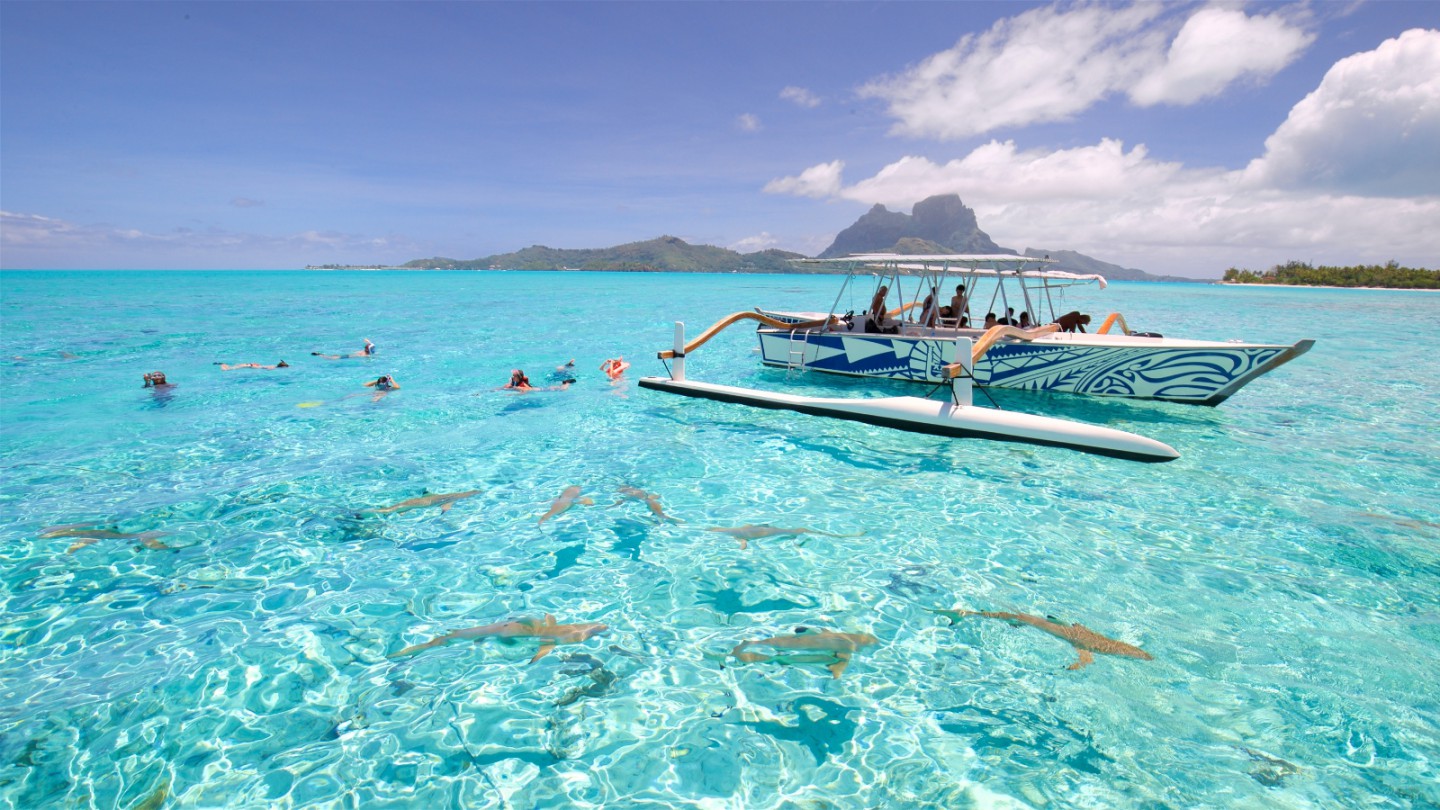
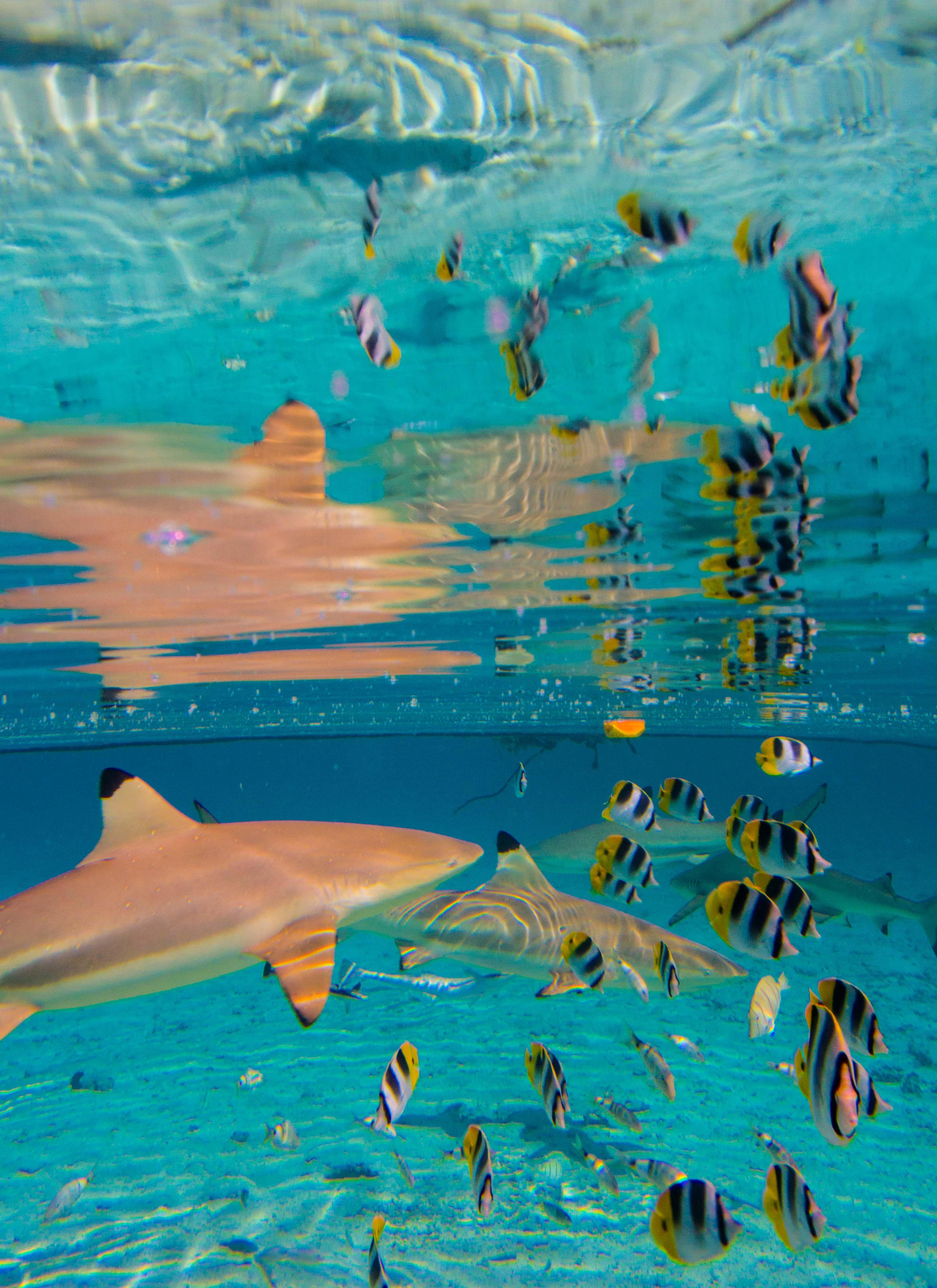
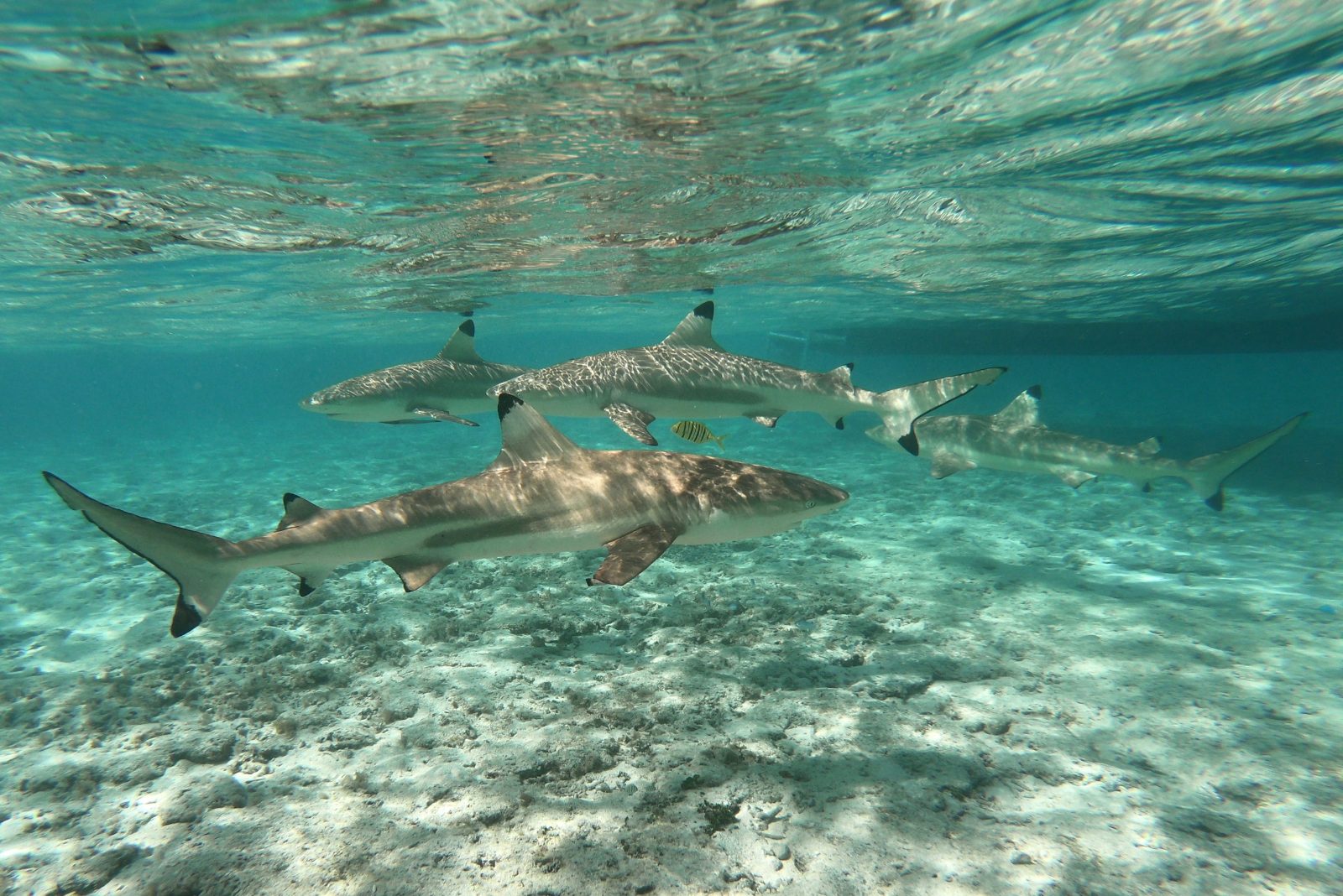
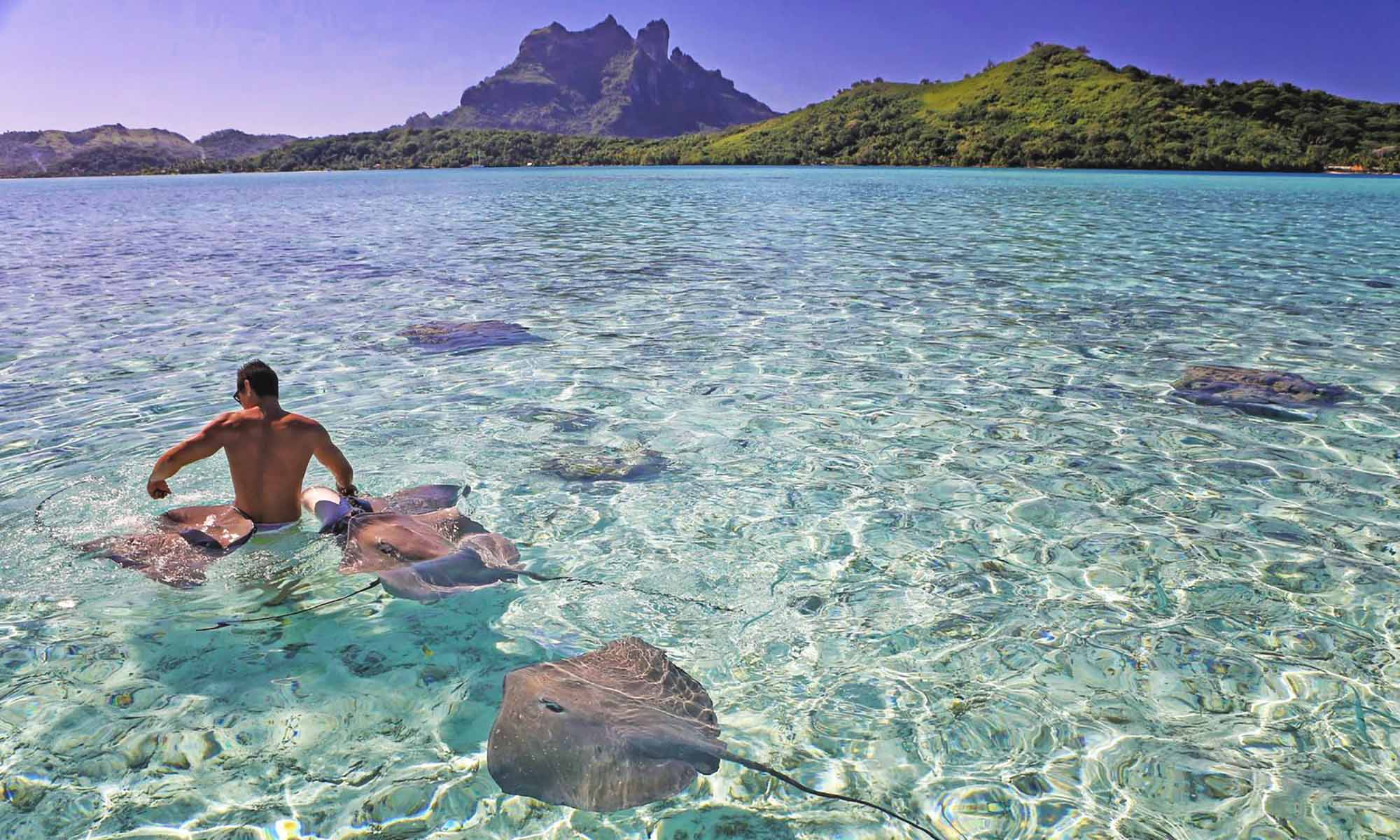
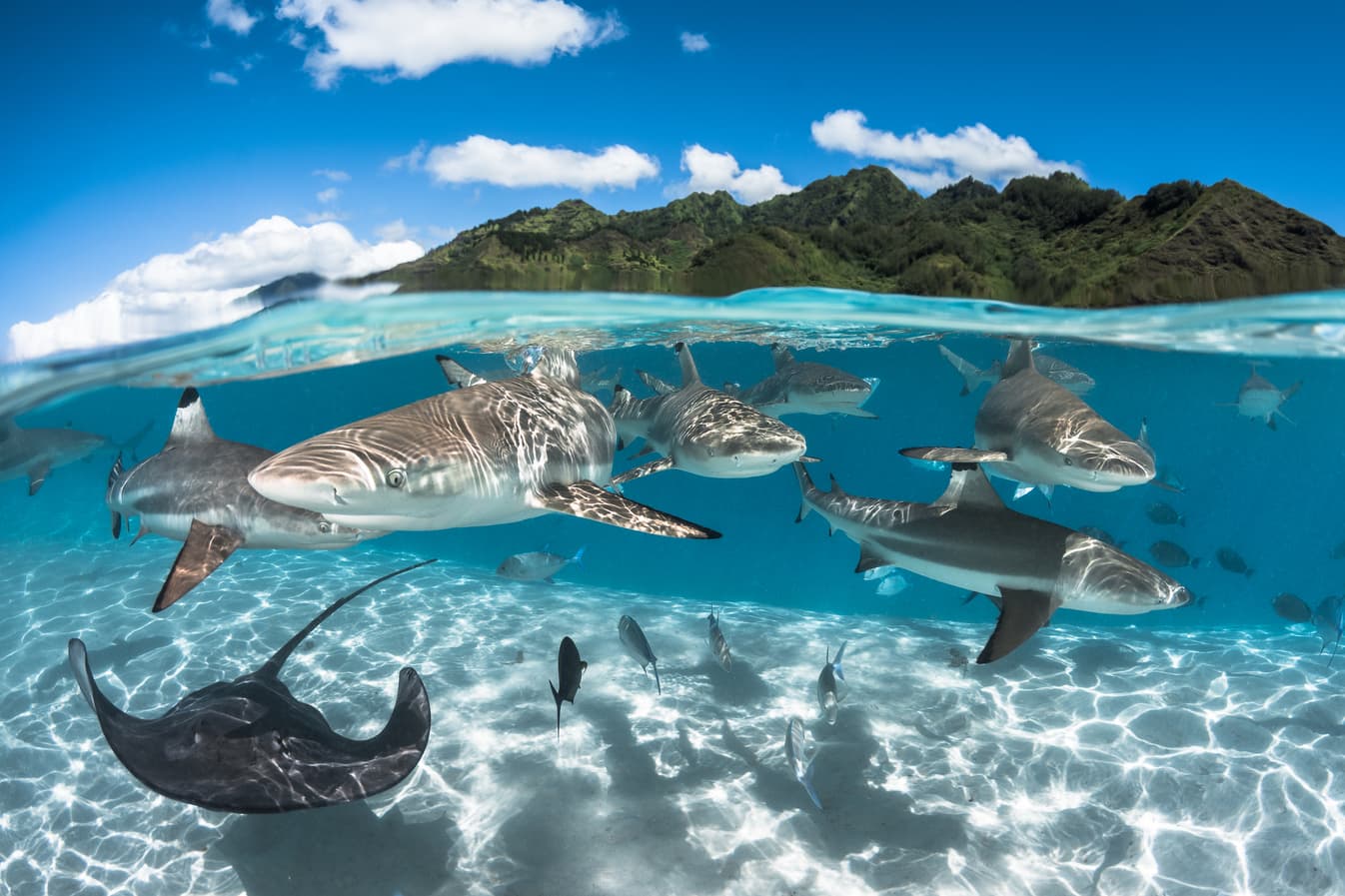
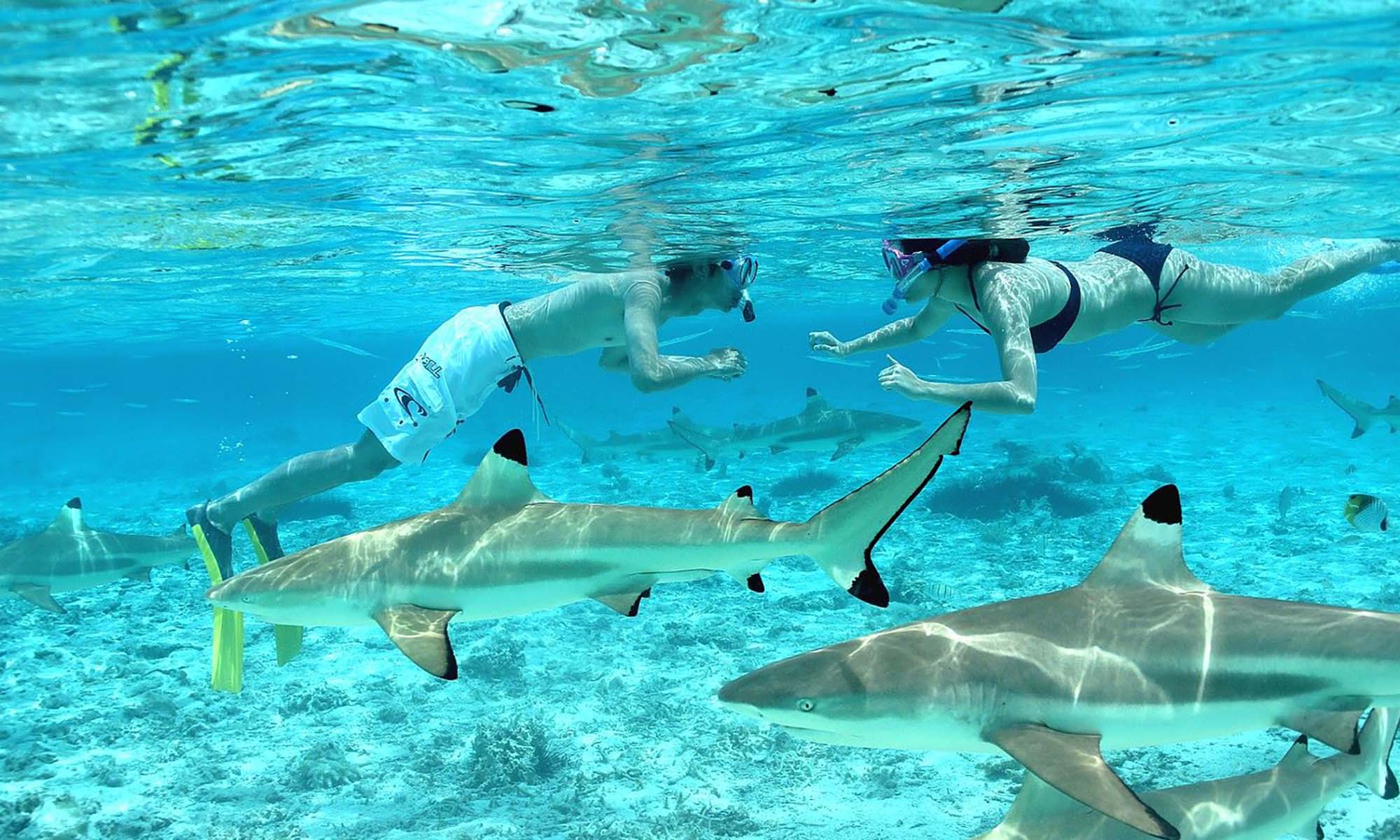
Blacktip reef sharks in crystalline shallows, rays gliding beneath the hull
Compare fares, pick the fit — all bookings are mobile-voucher and eligible for free cancellation where shown.
6 hr
4 hr
2 hr 30 min
Exploring the vibrant marine life through a bora bora snorkeling with sharks excursion requires choosing between half-day and full-day formats to best suit your schedule. These curated lagoon safaris provide essential access to protected sites where you can safely observe blacktip reef sharks and stingrays in their natural habitat.
| Half-Day Tour Standard Lagoon Access |
Top pick Full-Day Tour Lagoon & Motu Lunch |
|
|---|---|---|
| Duration | 2.5–3 hours | 6–7 hours |
| Primary Stops | Coral Garden & Shark Sites | Coral Garden, Shark Sites & Motu |
| Lunch Included | — | Yes (BBQ on private motu) |
| Equipment Provided | Mask, Snorkel, Fins | Mask, Snorkel, Fins |
| Best for | First-timers seeking highlights | Travelers wanting extended island immersion |
| See tickets & prices |
Verdict: For most first-time visitors, the full-day bora bora snorkeling with sharks tour offers the most comprehensive value by combining underwater exploration with a traditional Polynesian motu lunch.
Worth it for safe, guided shark encounters
Bora bora snorkeling with sharks delivers what few destinations can: close, controlled interaction with blacktip reef sharks and stingrays in waist-deep lagoon water. Tours range from half-day excursions (around 12,000–18,000 XPF) to full-day adventures with motu picnics (20,000–28,000 XPF), all including guide supervision and snorkel gear. The value hinges on the rarity—swimming alongside sharks in crystalline turquoise water without cages or deep-water risk is unique to French Polynesia's protected lagoons. Families with children find the shallow setting reassuring; certified divers appreciate the accessibility compared to open-ocean dives. Tours also bundle ray feeding and coral garden stops, stretching the experience beyond a single encounter. For first-time snorkelers or anyone seeking a signature Bora Bora moment, the pricing aligns with the destination's premium position. Budget travelers may balk at the cost, but guided lagoon safaris remain the most reliable way to meet these animals safely.
Bottom line: If swimming with sharks in a turquoise lagoon defines your Bora Bora trip, book the half-day safari—it's the accessible, safe version of an otherwise rare encounter.
Lagoon excursions provide a serene encounter with marine life, while open-ocean trips offer a more intense, unpredictable adventure for experienced swimmers; most visitors who do both call the open-ocean reef experience more thrilling.
|
Top pick Lagoon Shark Safari |
Open-Ocean Reef | |
|---|---|---|
| Water depth | 3–15 feet (1–5 m) | 30–60 feet (9–18 m) |
| Visibility | High (calm lagoon) | Variable (swells dependent) |
| Species variety | Rays and reef sharks | Pelagic fish and grey sharks |
| Safety level | High (guided shallow water) | Moderate (open current exposure) |
| Current strength | Minimal | Moderate to strong |
| Tour accessibility | All skill levels | Advanced swimmers only |
| See tickets & prices |
Verdict: Choose the lagoon bora bora snorkeling with sharks tour for reliable wildlife sightings in calm waters, or select open-ocean reef snorkeling for a deeper, more challenging encounter with native Polynesian marine biodiversity through specialized bora bora snorkeling with sharks tours.
Hand-picked experiences loved by thousands of travelers
7 hours
Free Cancellation
Explore turquoise waters, swim with rays and sharks, snorkel vibrant coral gardens, and feast on a motu BBQ
6 hours
Free Cancellation
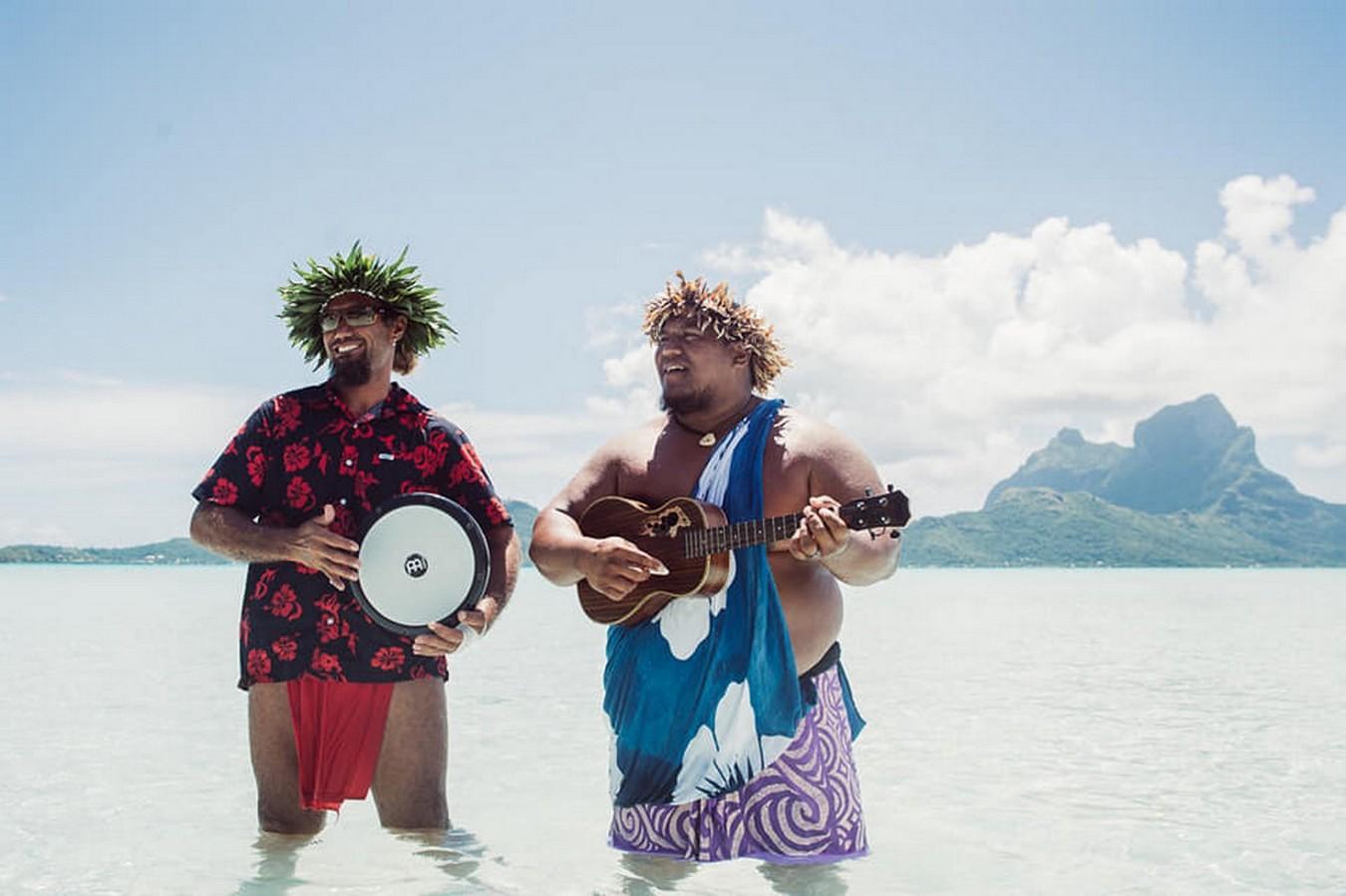
Swim with rays and sharks, snorkel pristine coral reefs, enjoy Polynesian music and a traditional feast
4 hours
Free Cancellation
Four-hour aquatic journey through crystal lagoons, encountering rays, reef fish, and gentle sharks
6 hours
Free Cancellation
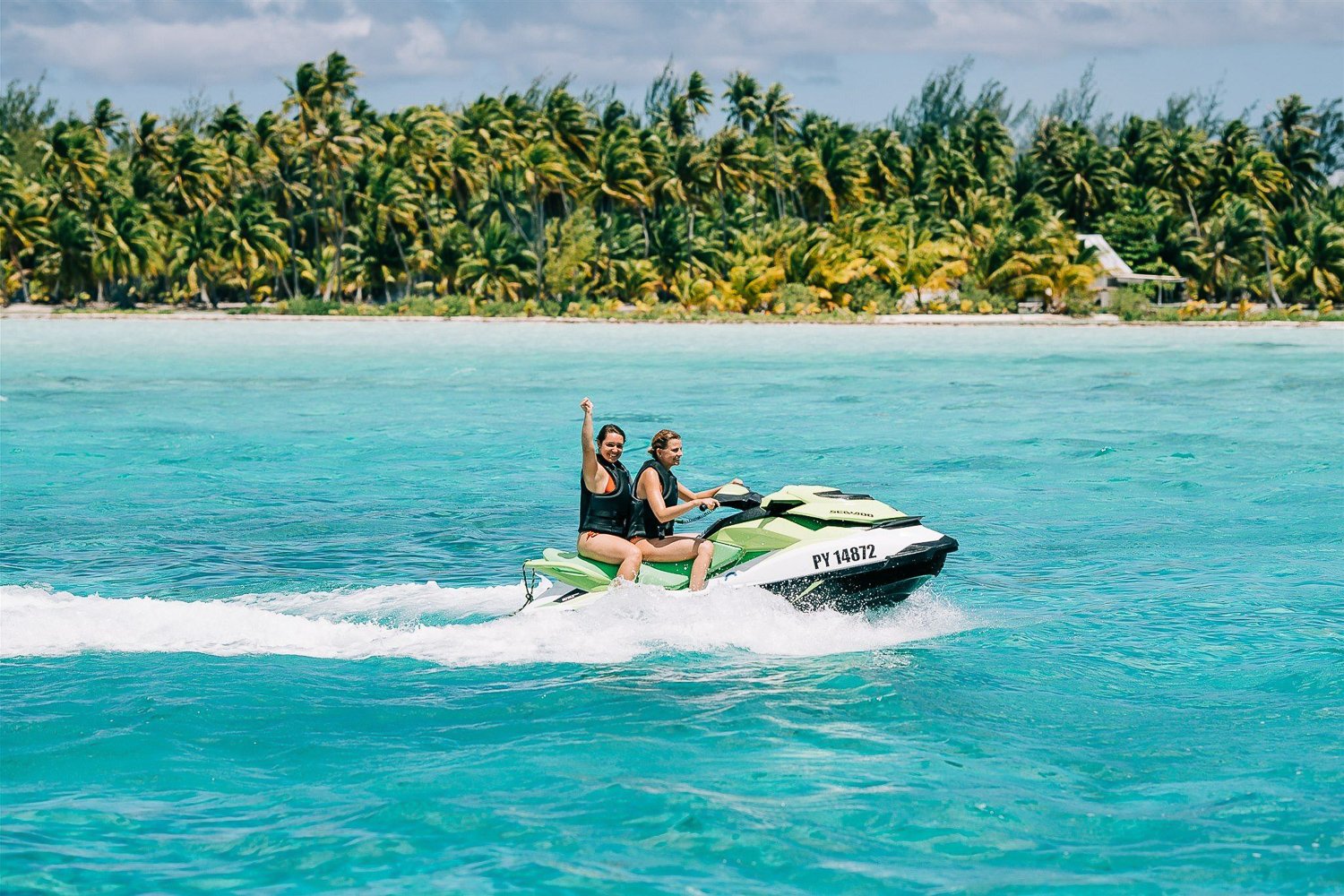
Ride the lagoon on a jet ski, enjoy lunch at a legendary spot, and snorkel with rays and reef sharks
6 hours
Free Cancellation
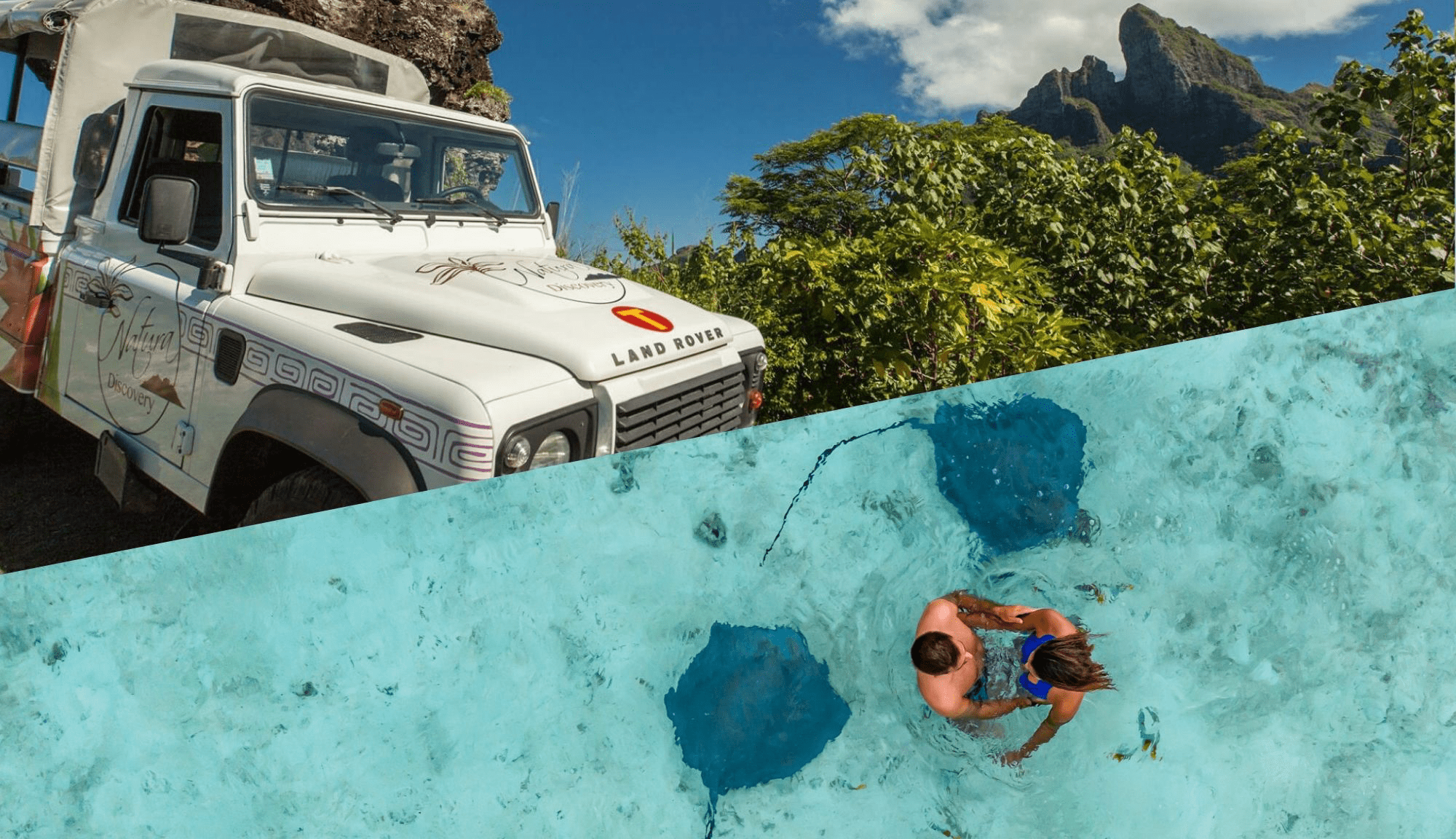
Explore volcanic peaks by safari truck, then dive into crystal lagoons to swim with rays and reef sharks
3 hours 30 minutes
Free Cancellation
Intimate small-group snorkeling expedition to encounter manta rays, eagle rays, and vibrant coral gardens
3 hours
Free Cancellation
Swim with rays and reef sharks, explore vivid coral gardens, and relax on a secluded island.
3 hours
Free Cancellation
Explore Bora Bora's turquoise waters on a customizable private boat excursion with your own captain
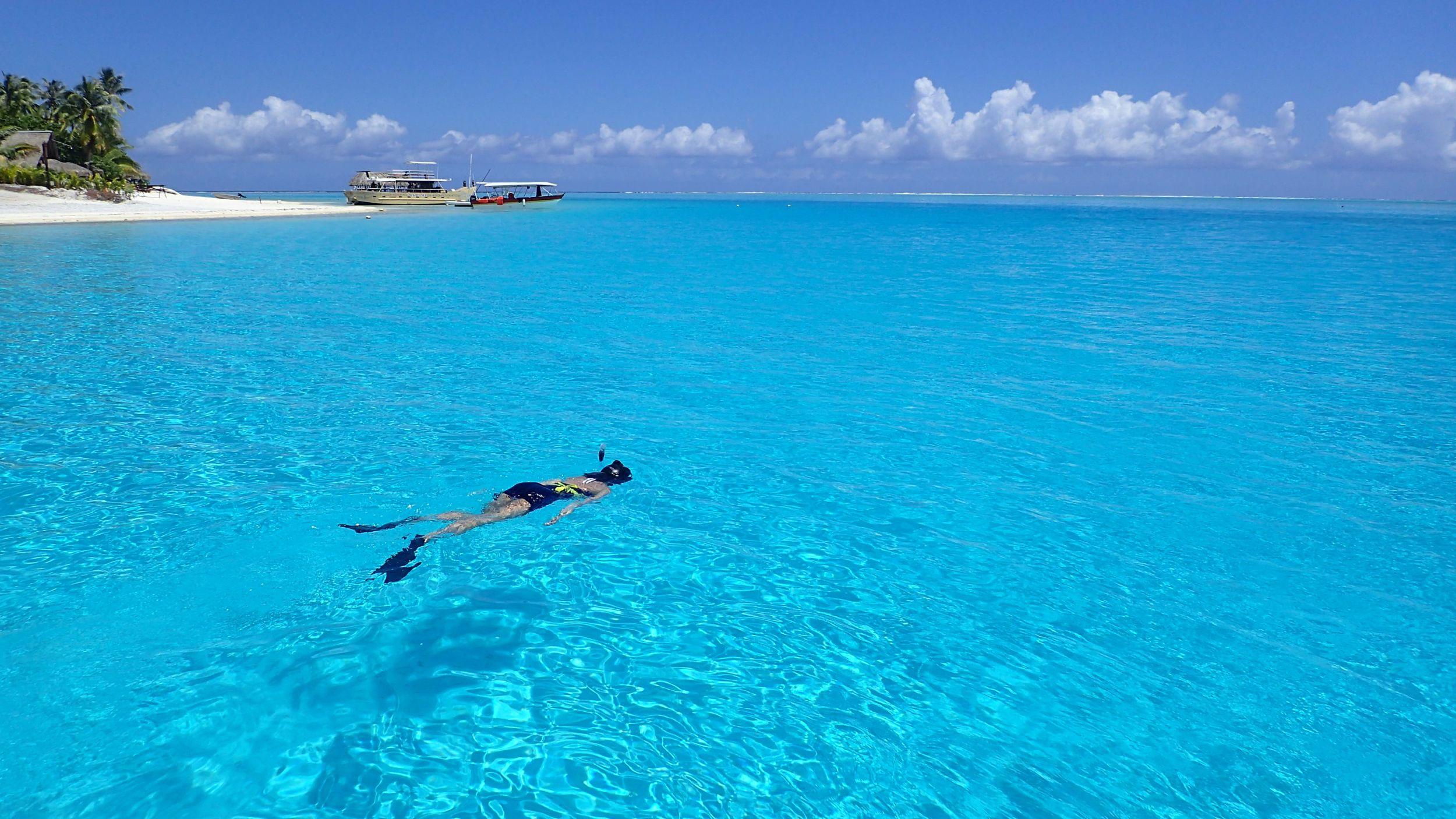
You board from Vaitape quay at eight, the outrigger's twin hulls slicing north toward the outer motus. Fifteen minutes out, the guide cuts the engine above a sand channel striped with coral heads, and you slip into water so clear the bottom seems within arm's reach though it lies three meters down.
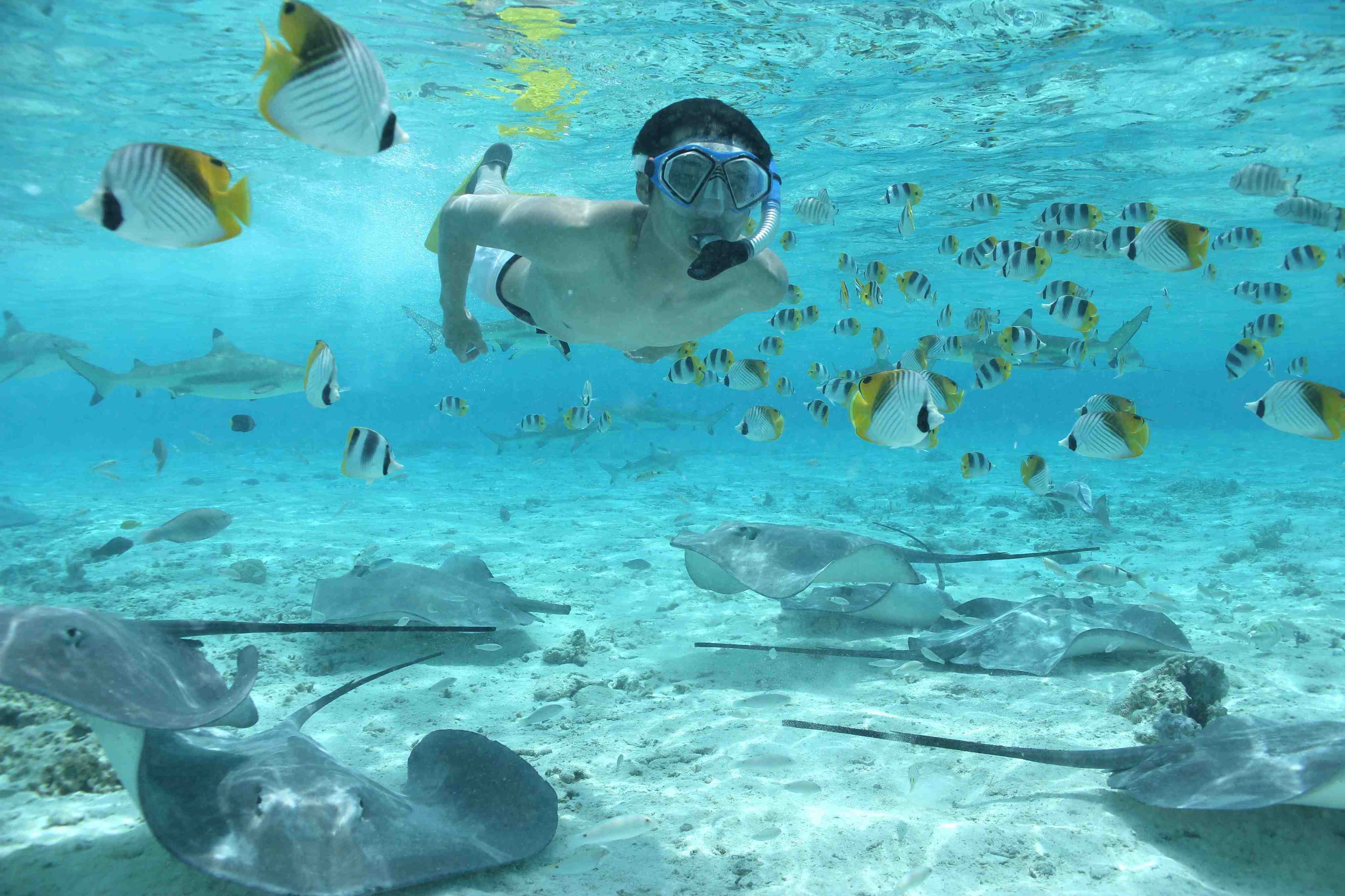
A blacktip glides past your left shoulder, dorsal fin cutting the surface, followed by two more tracing the channel's edge. You hang motionless, mask submerged, watching their lateral sweeps—efficient, unhurried, ignoring your presence entirely.
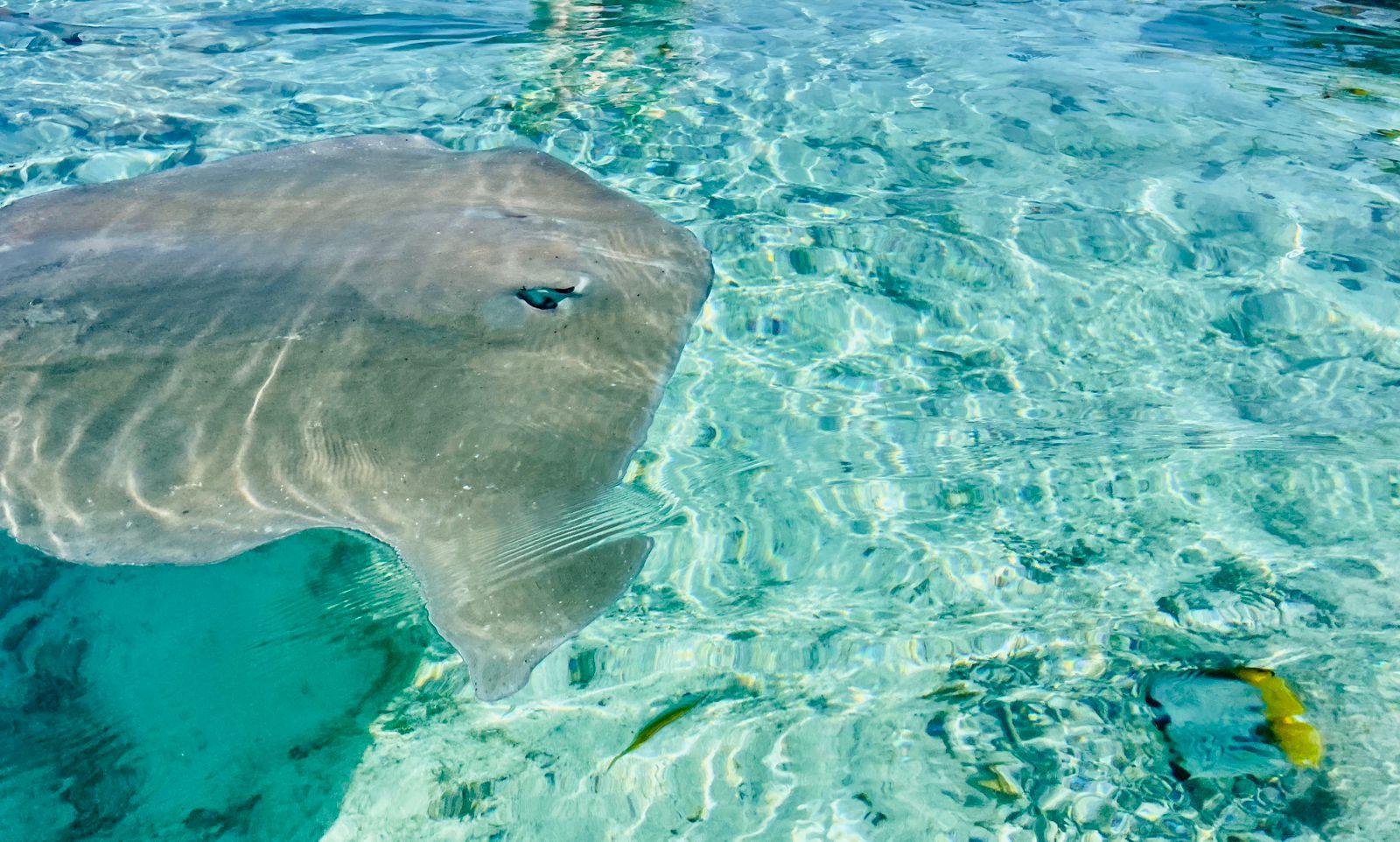
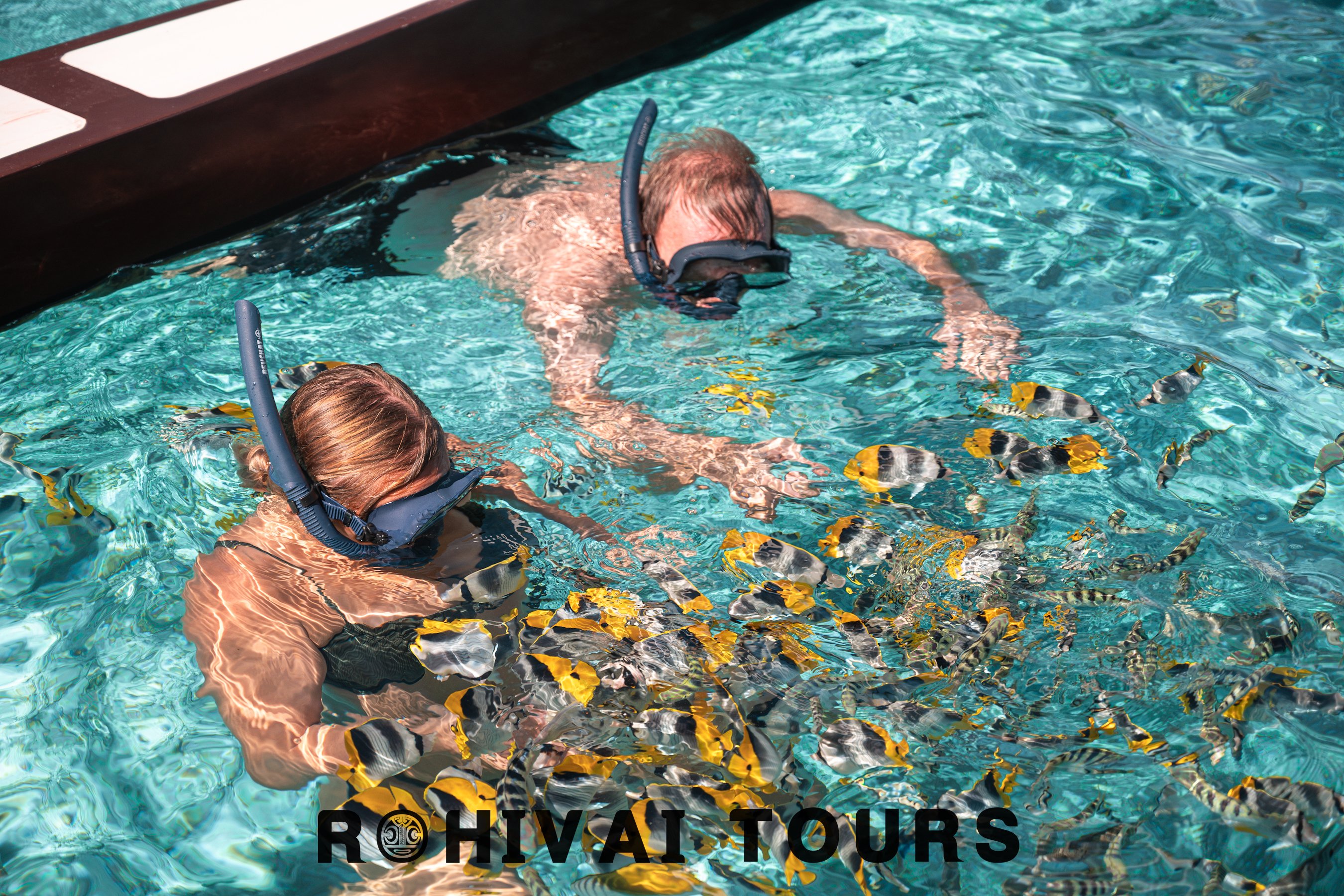
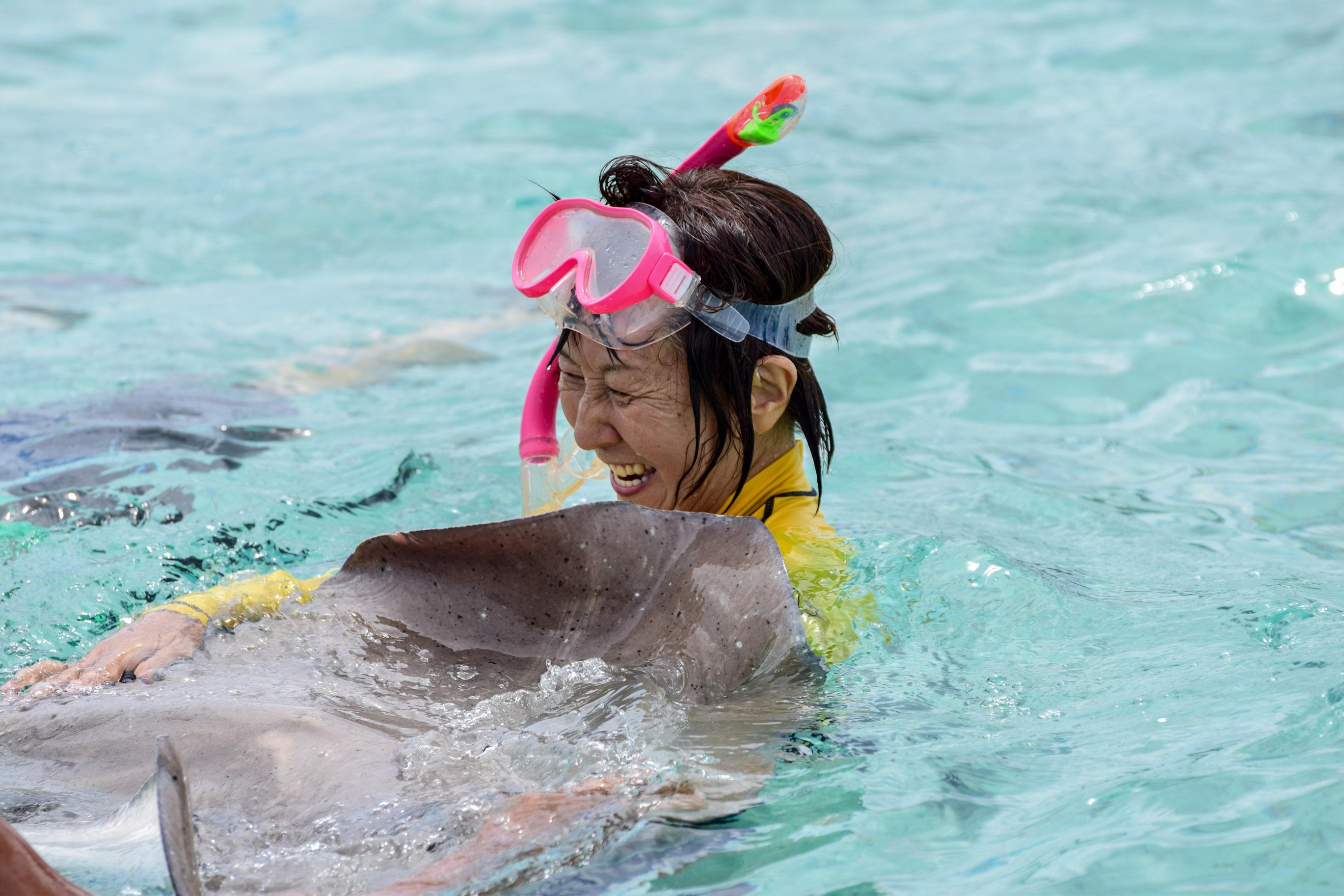
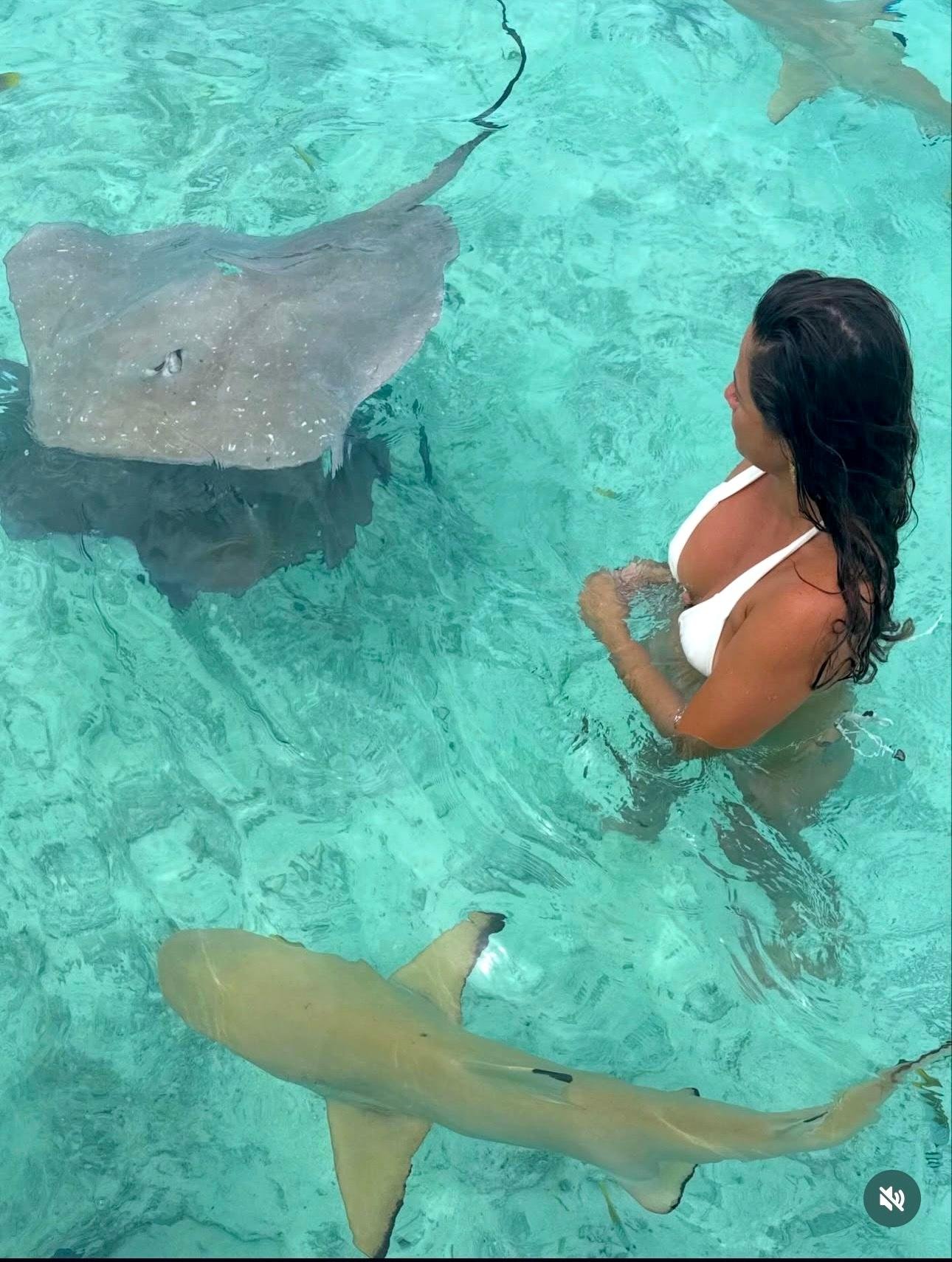
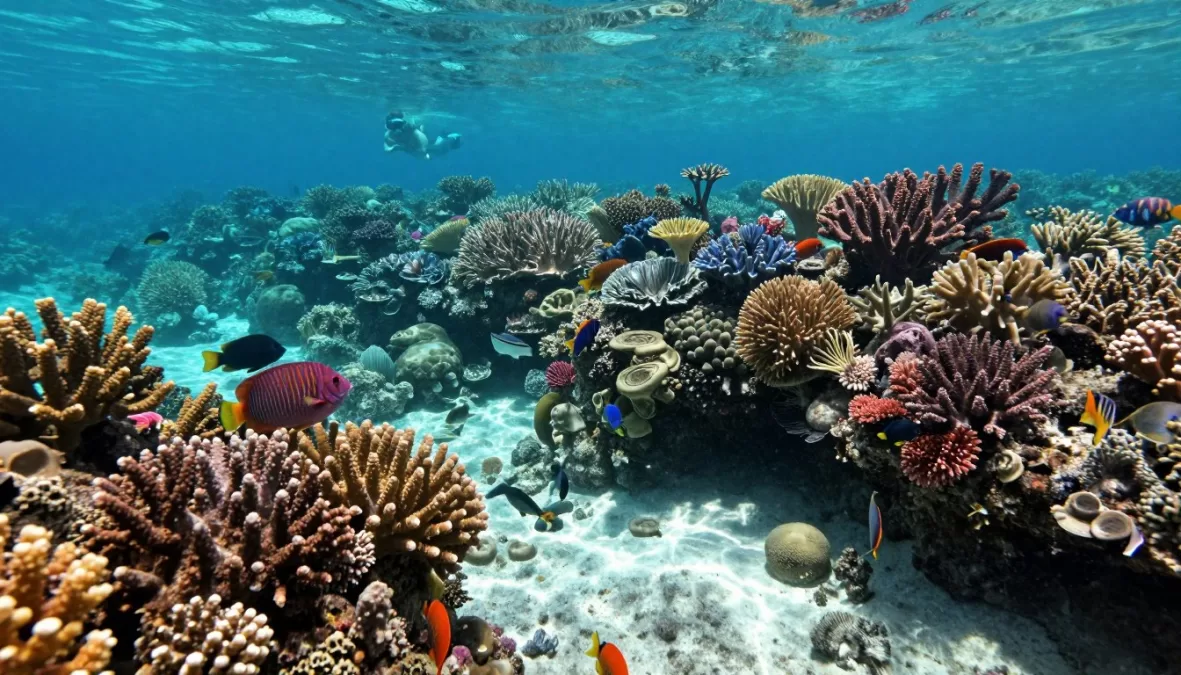
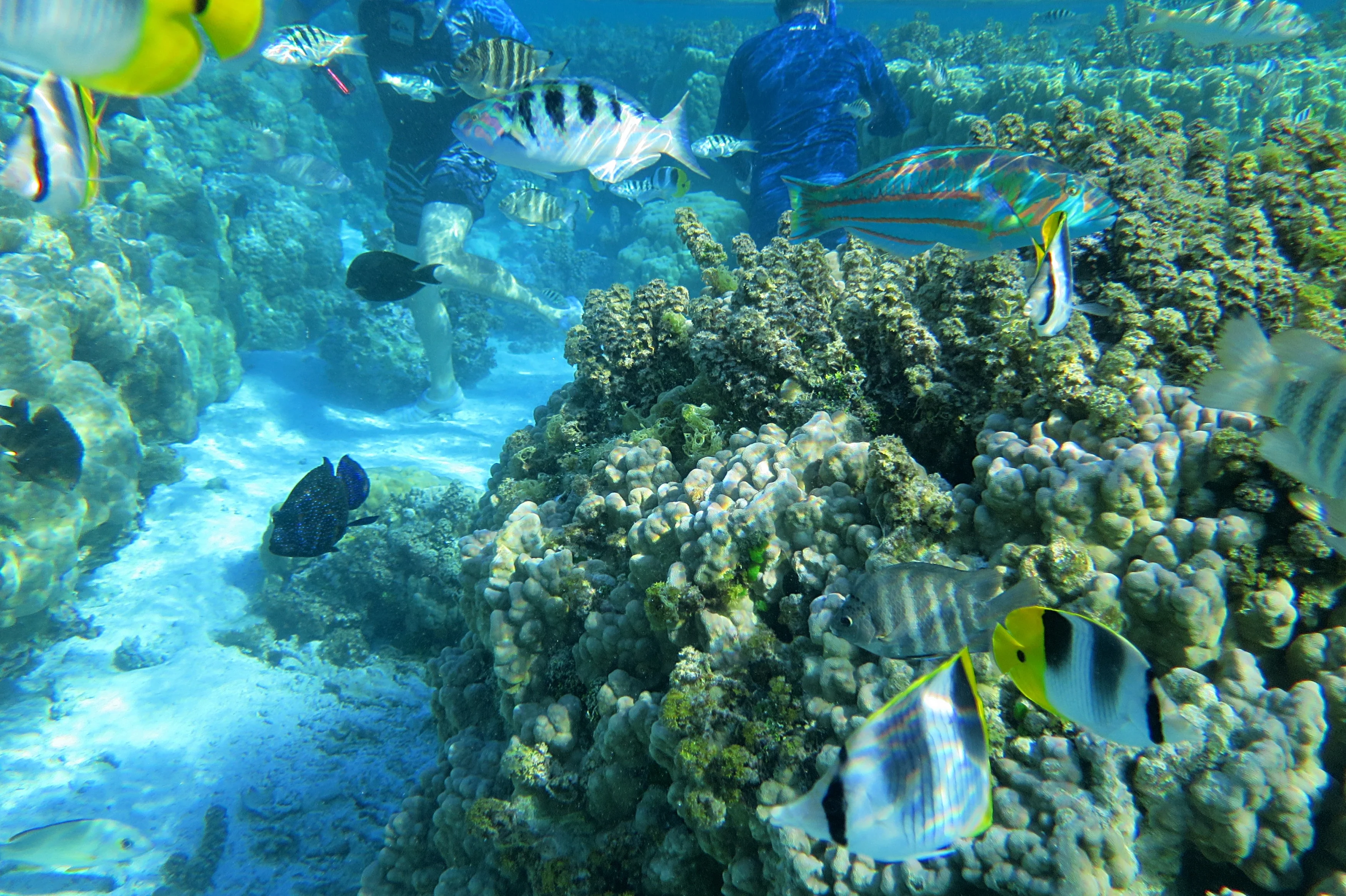
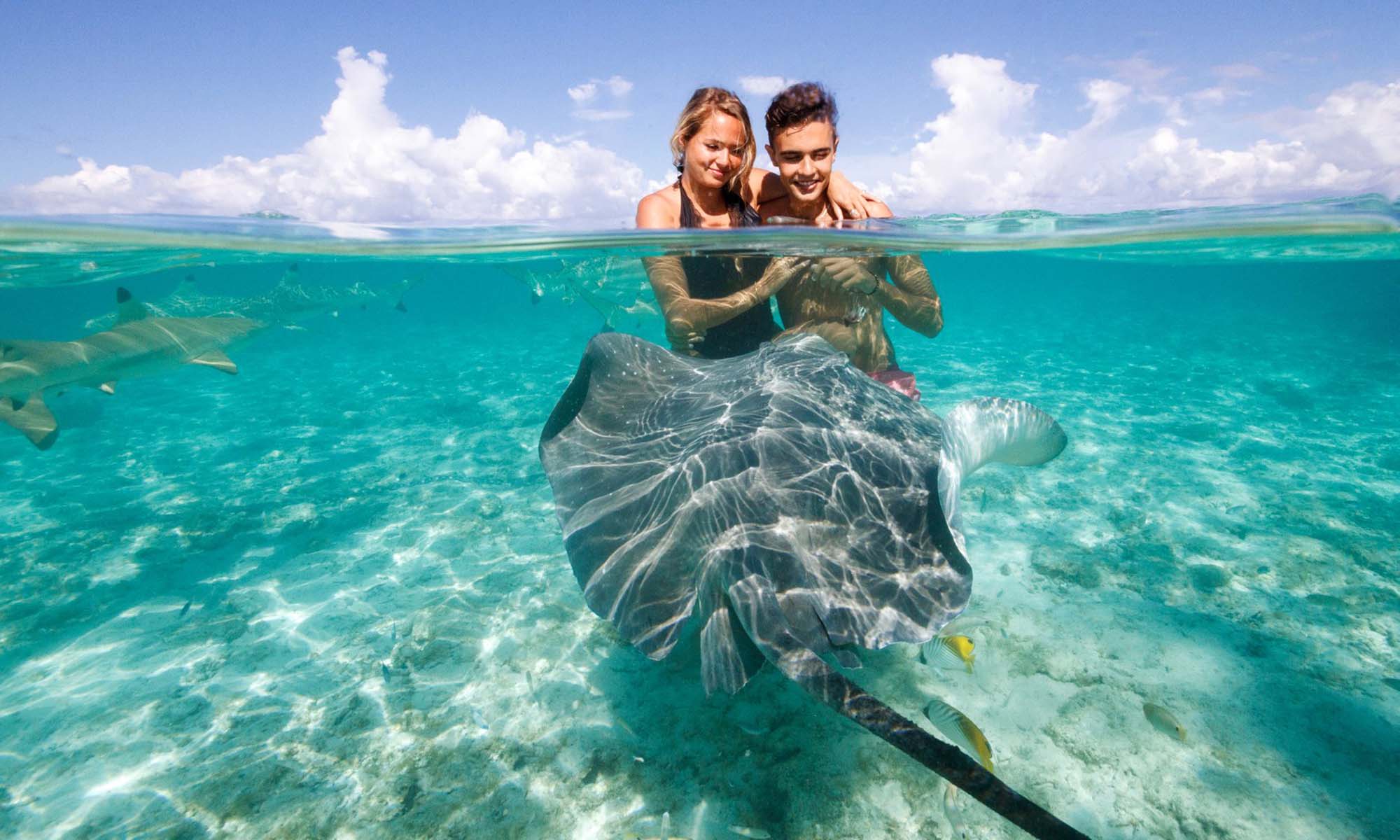
The boat repositions to a sandbar where southern stingrays cluster in knee-deep water, their wings rippling as they sift for crustaceans. You wade among them, the guides dispersing bait to draw them closer, and a ray brushes your calf, skin smooth and muscular. Twenty minutes later you're drifting above a coral garden, the lagoon's inner reef slope descending in terraces of staghorn and brain coral, schools of butterflyfish parting as you swim through. The final stop is a motu—a palm-shaded islet where grilled mahi-mahi and poisson cru wait on palm-frond platters, the lagoon stretching turquoise in every direction. You return to Vaitape by two, skin salt-tight, the sharks' effortless circuits still vivid behind your eyes.
All the details about your upcoming adventure in one place
The Bora Bora lagoon hosts one of the Pacific's densest populations of blacktip reef sharks—Carcharhinus melanopterus—with an estimated 300 individuals patrolling the shallow coral flats between the main island and the outer reef.
Unlike open-ocean species, blacktips thrive in water rarely deeper than three meters, their dorsals visible from the surface as they navigate channels and sandbars. The species evolved in Indo-Pacific atolls where tidal currents funnel nutrients through narrow passes, creating hunting corridors that local guides have mapped for decades. French Polynesia's 2002 shark sanctuary legislation made these waters a global reference point for reef shark recovery, and Bora Bora's enclosed lagoon became a natural laboratory for behavioral study.
Bora bora snorkeling with sharks operates year-round because the lagoon's temperature holds between 26 and 29 degrees Celsius, sustaining reef ecosystems that anchor the sharks' diet—parrotfish, surgeonfish, and juvenile groupers. Tour operators work from designated zones along the western shelf, where coral bommies rise from sand at predictable intervals and blacktips patrol reliably during morning tides. The sharks tolerate human presence with indifference; they neither flee nor approach, maintaining a meter's distance unless drawn by bait dispersal, a technique regulated by territorial environmental protocols. Alongside the sharks, southern stingrays—Hypanus americanus—gather in shallows near motus, their wingspans reaching 1.5 meters, and garden eels punctuate the sand in colonies visible only to snorkelers who hover motionless.
The lagoon safari model emerged in the 1990s as Polynesian outrigger operators formalized routes linking shark sites, ray shallows, and coral gardens into half-day circuits. These excursions typically include three to four stops: a shark channel where guides introduce behavioral cues, a ray feeding station on a sandbar, a coral garden along the barrier reef's inner slope, and a motu stop for grilled fish and coconut. The structure reflects both ecological logic—each zone represents a distinct habitat layer—and practical tourism design, balancing active snorkeling with rest intervals. By 2026, the five most established operators run near-identical itineraries, differentiated only by boat size, lunch menu, and whether they include a reef pass drift. The consistency ensures predictable wildlife encounters while distributing human presence across multiple sites, reducing pressure on any single habitat zone.
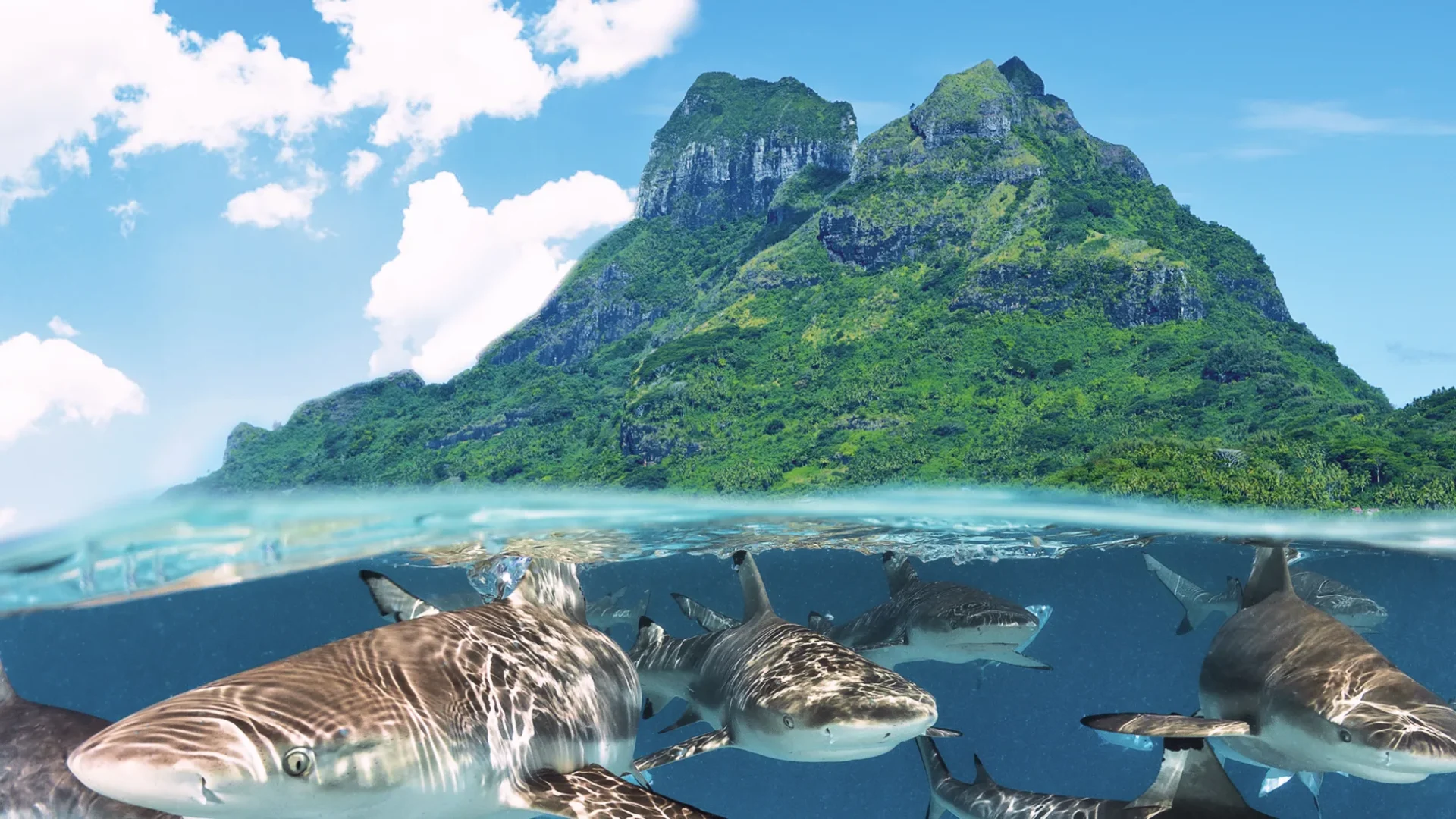
The lagoon's 300 blacktip reef sharks patrol shallows where coral bommies rise at predictable intervals.
Wear swimwear, a hat, and UV-protective clothing. Reef-safe sunscreen is highly recommended to protect the coral.
Bring a waterproof dry bag for personal items. Secure your valuables at your hotel or with your tour operator before boarding.
Underwater cameras like GoPros are ideal for capturing marine life. Use a wrist strap or extender to keep devices secure while swimming.
Children are welcome on most excursions. Ensure they are supervised by an adult at all times, especially when in the water.
Tours involve boarding boats from piers or beaches, which may be challenging for those with limited mobility. Check with operators regarding specific vessel requirements.
Full-day tours typically include a lunch served on a private motu. Half-day tours often provide light refreshments or fruit.
Opening hours
00:00–23:59
Address
Bora Bora Lagoon, French Polynesia
Accessibility
Varies by operator; requires boat boarding
Best arrival window
08:00–14:00
Storage
Limited; check with your tour operator
Most bora bora snorkeling with sharks tours offer full refunds for cancellations made at least 24 to 48 hours before departure. Please verify specific terms with your selected operator as entrance is 0 XPF for the lagoon, but tour fees apply for boat access.
Recommended time
3-4 hours
Most visitors spend half a day on the water, as bora bora snorkeling with sharks requires boat transit to reach the outer reefs. Selecting a morning departure ensures the best visibility for viewing blacktip reef sharks and stingrays in the clear, shallow lagoon. While bora bora snorkeling with sharks tours typically last several hours, you may extend your time by choosing excursions that include a motu picnic. Because bora bora snorkeling with sharks tickets are tied to specific vessel capacities, crowd density remains stable even during peak arrival windows.
Crowd levels through the day
The practice of bora bora snorkeling with sharks emerged from the island's ancient relationship with marine life, though organized tourism arrived only after the Second World War transformed French Polynesia's infrastructure. Tahitian navigators had long revered blacktip reef sharks and lemon sharks as aumakua—ancestral guardian spirits—swimming alongside them in the lagoon's shallow channels without fear. When the United States military constructed Bora Bora's airstrip in 1942 as a supply depot, the sudden influx of personnel introduced outsiders to the island's crystalline waters and docile shark populations. By the 1960s, pioneering dive operators began escorting curious visitors to the lagoon's coral gardens, where blacktip sharks congregated in predictable feeding zones. The activity expanded dramatically after 1986, when French Polynesia designated its Exclusive Economic Zone a shark sanctuary, prohibiting commercial fishing and making the territory the world's largest protected area for elasmobranches. Tour operators formalized snorkeling protocols, establishing feeding stations in waist-deep water where guides could control interactions between humans and wildlife. The 1990s brought scrutiny from marine biologists who documented behavioral changes in habituated shark populations, sparking debates about conditioning predators to associate humans with food. Several operators adjusted their methods, reducing bait quantities and emphasizing observation over close-contact encounters. Today, bora bora snorkeling with sharks tours operate from multiple embarkation points around the lagoon, each visit limited to designated zones to prevent overcrowding. The blacktip reef shark remains the species visitors encounter most frequently, alongside occasional sightings of sicklefin lemon sharks in deeper channels. Environmental regulations now mandate biodegradable sunscreen and prohibit touching marine life, standards enforced through operator licensing. The lagoon's shark population has remained stable since comprehensive surveys began in 2003, though researchers continue monitoring stress indicators and reproductive rates to assess long-term tourism impacts on these apex predators.
Polynesian navigators regard lagoon sharks as sacred aumakua and swim freely among them.
U.S. military constructs Bora Bora airstrip, exposing servicemen to the island's shark-filled waters.
First dive operators begin guiding visitors to coral gardens where blacktip sharks gather.
French Polynesia establishes shark sanctuary across its EEZ, banning commercial fishing.
Marine biologists document behavioral changes in habituated sharks, prompting protocol adjustments.
Comprehensive population surveys begin tracking lagoon shark numbers and health metrics.
Regulations mandate biodegradable sunscreen and no-touch policies for all snorkeling excursions.
Position yourself at the edge of the shallow sandbar to capture the contrast between the turquoise water and the silhouettes of blacktip reef sharks circling nearby. This is the primary location for bora bora snorkeling with sharks where marine life congregates in crystal-clear visibility.
Shoot from waist-deep water looking toward the horizon to catch the sunlight reflecting off the sand while schools of tropical fish surround you. This spot offers a more serene environment to photograph the lagoon environment before joining your bora bora snorkeling with sharks tours.
Capture vibrant coral formations and reef life from the surface using an underwater housing for your camera. These gardens provide a backdrop for those seeking a guided bora bora snorkeling with sharks tour to document the biodiversity of the ecosystem.
Focus your lens on the deeper blue transition where larger marine species frequent the currents near the reef drop-off. Accessing this area requires specific bora bora snorkeling with sharks tickets arranged through professional boat excursions.
Bringing children for bora bora snorkeling with sharks requires careful coordination with local boat operators to ensure safety and comfort. These excursions into the lagoon allow families to observe marine life in a controlled, guided environment.
Most providers for a bora bora snorkeling with sharks tour supply child-sized life vests, but verify availability with your operator beforehand. Children must remain within arm's reach of guardians at all times while in the water near the reef sharks and stingrays.
Look for operators utilizing traditional outrigger canoes or shallow-draft boats, as these offer easier boarding for families than high-sided vessels. Ensure the craft provides shade, as the tropical sun exposure is significant during boat-based bora bora snorkeling with sharks tours.
While there is no universal minimum age, these activities are generally best suited for children who are comfortable swimming and wearing a mask. Parents often find that children under five may struggle with the equipment and are better suited for observing the lagoon from the vessel using bora bora snorkeling with sharks tickets for a non-swimming observer tier.
The lagoon itself has no land-based infrastructure, so all necessary supplies like towels, reef-safe sunscreen, and water must be brought on the boat. Baby-change facilities are unavailable on the water, so ensure your child is prepared before departure at your resort or hotel.
Dining options are primarily located on the main island, making pre- or post-excursion meals convenient after your bora bora snorkeling with sharks experience. Visitors typically arrange transport to these venues as part of their bora bora snorkeling with sharks tours, given the remote nature of the lagoon sites.
Located on the water, this venue offers fresh seafood and Polynesian-inspired dishes ideal for a post-swim meal. It is a popular spot to review photos from your bora bora snorkeling with sharks tour while enjoying sunset views.
Everything you need to know for your journey
The lagoon is accessible 24/7, but bora bora snorkeling with sharks tours typically operate between 08:00 and 14:00 for the best wildlife activity.
Yes, the species encountered are typically docile and accustomed to human presence, making this a popular activity in the bora bora lagoon.
Access to the lagoon is 0 XPF, but bora bora snorkeling with sharks tickets must be purchased through authorized tour operators to access the sites.
The best arrival window is 08:00–14:00 to ensure optimal lighting and calm water conditions.
Most operators allow children; confirm specific requirements for bora bora snorkeling with sharks tours with your provider.
Yes, you can bring your own mask and snorkel, though most operators provide high-quality equipment as part of your bora bora snorkeling with sharks tour.
Access requires a boat tour; most operators provide pickup from your resort or a designated pier in Vaitape.
Operators will monitor conditions and may reschedule or offer a refund; check your specific tour policy for bora bora snorkeling with sharks.
Blacktip reef sharks are generally harmless and curious, providing a safe and exciting experience during your bora bora snorkeling with sharks excursion.
Join thousands of happy travelers who have discovered this incredible experience
Book Your Experience Now