

Quick answer
Shore snorkeling in Bora Bora is free—no entrance fee applies at public beaches or lagoon access points. Guided snorkeling tours typically range from 7,500 XPF for half-day shared boat trips to 25,000 XPF or more for private charters with marine biologist guides. Equipment rental at beachfront operators costs 1,500–2,500 XPF per day if you need mask, fins, and snorkel.
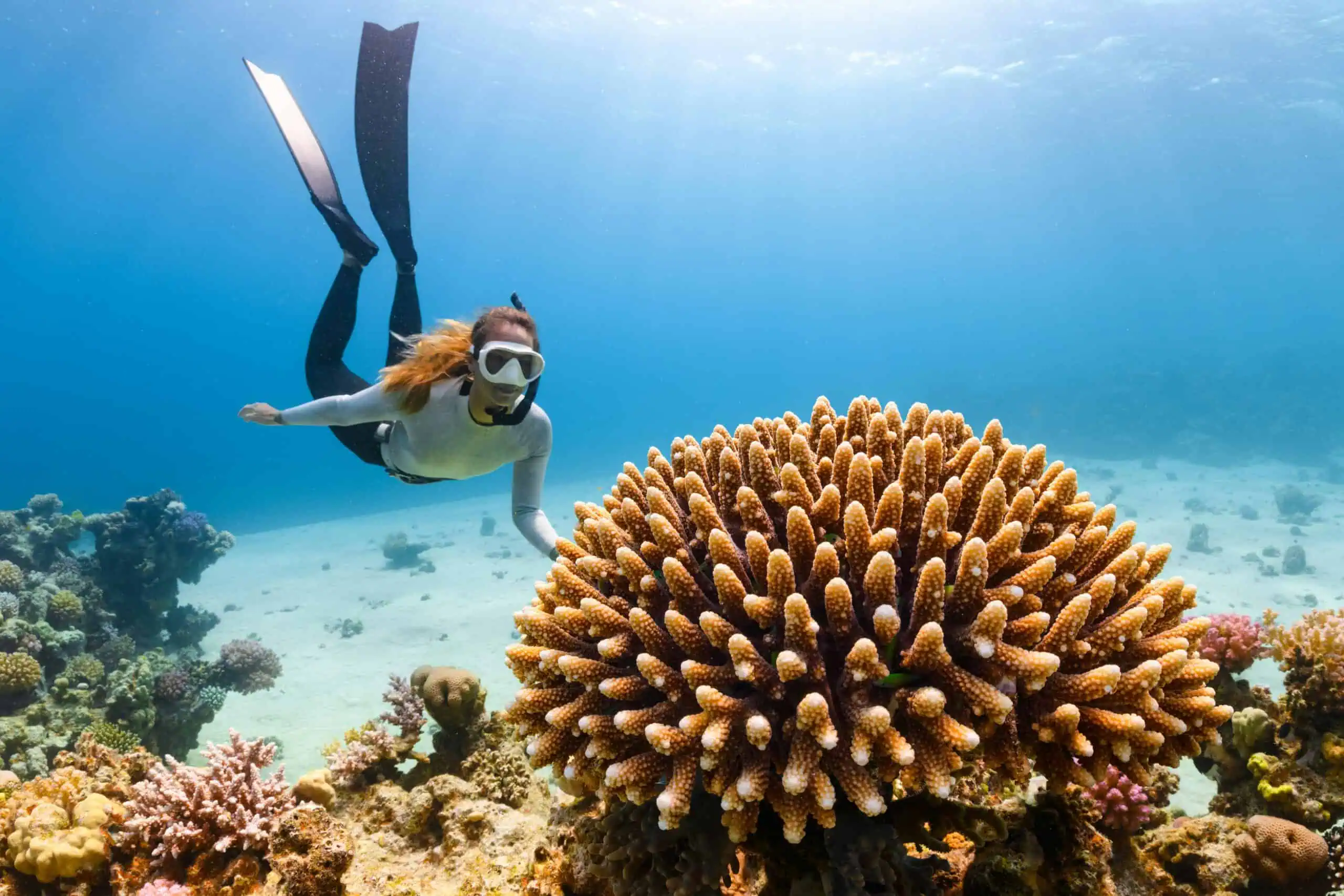
The lagoon surrounding Bora Bora holds some of French Polynesia's most accessible coral reefs, and the island's pricing model reflects that dual reality: nature is free, but access to the best sites often requires a boat. Bora Bora snorkeling price structures split cleanly between self-guided shore entry and organized excursions. Public beaches along the western lagoon—Matira Beach chief among them—impose no fees and offer direct swim-out access to shallow coral patches where blacktip reef sharks, parrotfish, and surgeonfish congregate in water rarely deeper than three meters. Visitors who stay at island resorts often find house reefs steps from their bungalows, included in accommodation rates. Independent travelers pay nothing beyond the cost of reaching the beach itself. What you sacrifice in shore snorkeling is distance: the richest coral walls and pelagic corridors lie beyond swimming range, in the outer lagoon and along barrier reef drop-offs where current and depth make boat transport the only practical option. Guided snorkeling tours in Bora Bora command higher rates than most South Pacific destinations due to fuel costs—gasoline in French Polynesia arrives by container ship—and the small-group model most operators favor. Half-day shared tours visiting two or three snorkel sites, often including Coral Gardens or the Manta Ray Channel, start around 7,500 XPF and climb to 12,000 XPF when lunch is provided on a motu. Private charters, which allow custom itineraries and flexible timing, begin near 20,000 XPF per person for groups of four or more, reaching 25,000 XPF and beyond when marine biology commentary or underwater photography packages are included. These tours depart year-round, with the May-through-October dry season seeing the highest demand and correspondingly firmer pricing. Equipment rental adds a modest line item for travelers without their own gear. Beachfront kiosks and dive shops across Vaitape and the hotel zone rent mask-and-fin sets for 1,500 to 2,500 XPF per day, with weekly rates offering a discount. Full-day guided tours include equipment in the quoted snorkeling excursion rates, eliminating the need for separate rental. The lagoon's warm, calm water and high visibility between 10:00 and 14:00 make Bora Bora one of the rare destinations where budget and premium snorkeling deliver nearly equivalent marine encounters—the difference lies in convenience and the density of coral, not the presence of reef life itself.
“The lagoon's warm, calm water and high visibility make Bora Bora one of the rare destinations where budget and premium snorkeling deliver nearly equivalent marine encounters.”
Understanding the Bora Bora Snorkeling Price Structure
The cost associated with snorkeling in Bora Bora depends primarily on whether you are snorkeling independently from the shore or joining a professionally guided excursion. Shore snorkeling is accessible without an entry fee, while guided tours require a separate paid booking.
While shore snorkeling is free, guided tours carry variable costs depending on the operator and excursion duration.
Best Time for Optimal Bora Bora Snorkeling Price Value
The best arrival window for snorkeling in Bora Bora is between 10:00 and 14:00, as the high sun position provides the best underwater visibility and clarity. Planning your visit during this timeframe ensures optimal light penetration for viewing marine life.
May to October
Moderate crowds; dry season24°C to 28°C; lower humidity
These months offer stable, clear conditions for aquatic activities. It is the peak season for consistent sunshine and underwater visibility.
November to April
Lower crowds; warmer season26°C to 30°C; higher humidity
While this period experiences more rainfall, showers are often brief. The water remains warm and clear between intermittent weather systems.
10:00–14:00 daily
Peak daily activity levels—
This specific timeframe is recommended to maximize natural light for water clarity. Arriving during these hours ensures the sun is positioned directly overhead.
Verdict: The best time for snorkeling is between 10:00 and 14:00 during the drier, cooler months of May to October.
Pre-Visit Checklist for Your Bora Bora Snorkeling Trip
Prepare these essentials before your snorkeling adventure to ensure a safe and comfortable experience.
-
Book your guided tour in advance — Popular operators fill quickly, especially during peak season.
-
Confirm pickup time and location — Most tours include hotel transfers; verify details with your operator.
-
Pack reef-safe sunscreen — Protect coral ecosystems while preventing sunburn in tropical waters.
-
Bring your own mask if possible — Rental gear is available, but a personal fit improves comfort and seal.
-
Carry a waterproof phone pouch — Capture underwater moments and keep emergency contacts accessible.
-
Wear a rashguard or UV shirt — Extended sun exposure on boats and in shallow water causes burns.
-
Arrive 10–15 minutes early — Buffer time ensures you don't miss departure and can complete waivers.
Getting There: Directions and Transport for Your Bora Bora Snorkeling Price Plan
Bora Bora is located in French Polynesia, and most snorkeling sites are situated within the central lagoon, accessible primarily via water transport. Visitors typically arrive at Vaitape, the main village, before departing by boat to reach the coral reefs.
Main wharf in Vaitape to lagoon snorkel sites
Transfers to Vaitape from local resorts
Vaitape central village to local shore snorkel spots
Check availability
Frequently asked questions about bora bora snorkeling price
Everything you need to know about bora bora snorkeling price